
.webp)




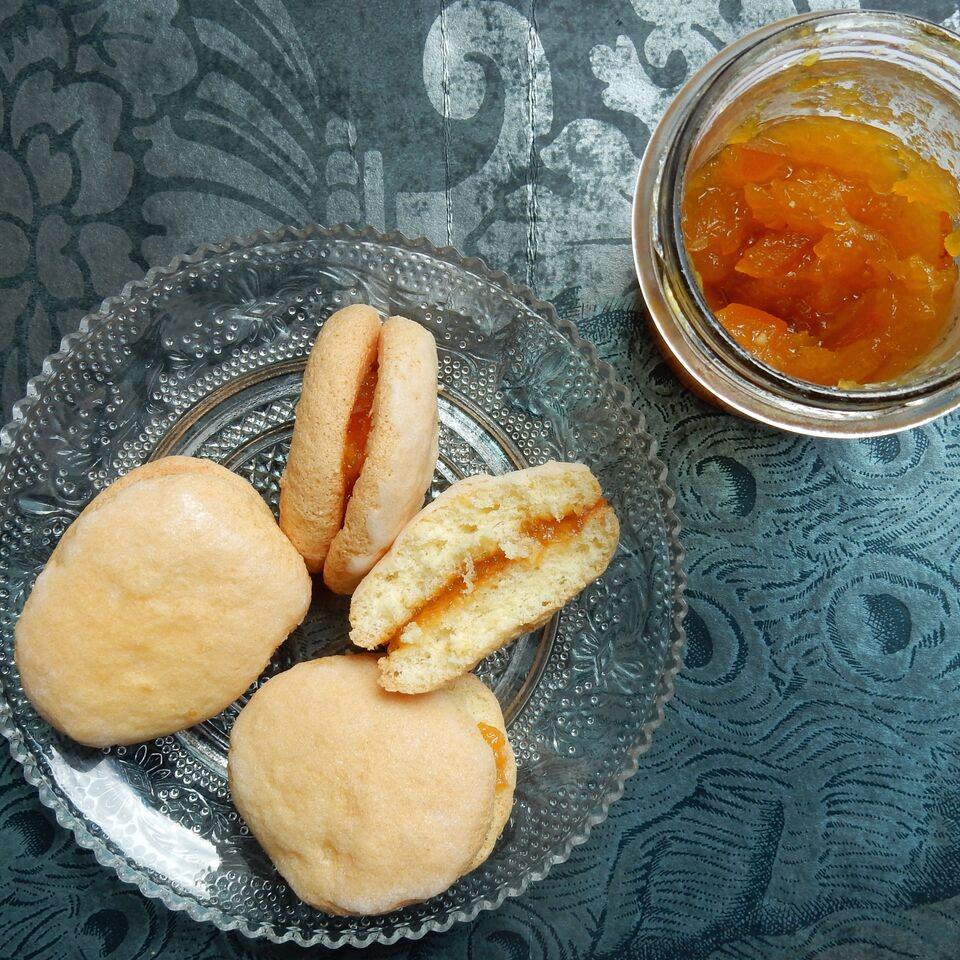
Soft cupcakes filled with orange style Chamonix®
As a snack, treat, or nibble, these soft Chamonix-style cakes filled with bitter orange jam will win over citrus and dessert lovers of all ages: we've all already fallen for La Chambre!
Ingredients
For the biscuits
- 3 eggs
- 90 g caster sugar
- 85 g flour
- 1/2 tsp baking powder
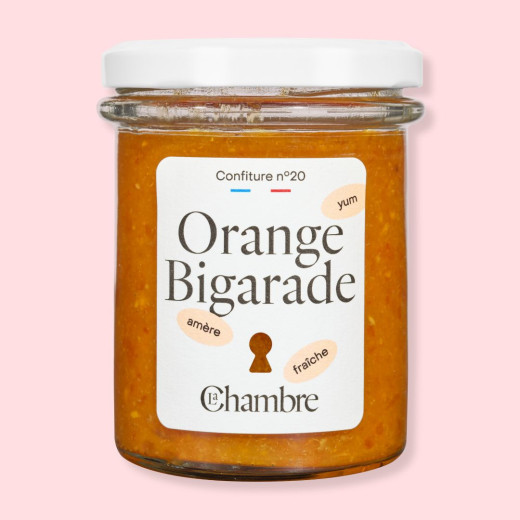
- 1 jar of Bitter Orange jam
- salt
For the icing
- 120 g icing sugar
- 4 tbsp water
Instructions
- Preheat the oven to 180°C (350°F).
- Separate the egg whites from the yolks.
- Whisk the egg whites into stiff peaks with half the sugar.
- Beat the yolks with the other half of the caster sugar until the mixture turns pale.
- Gently fold in the whites and mix.
- Gradually add the sifted flour and fold in delicately.
- On a baking sheet lined with parchment paper, form small, even mounds the size of a walnut.
- Bake for 15 minutes. Once golden, remove them and let them cool on a wire rack.
- Prepare the icing by mixing the water and icing sugar. The mixture should be completely smooth.
- Cut the biscuits in half and fill them with a heaped spoonful of Bitter Orange jam.
- Spread a little icing on top and repeat until all the biscuits are used.
- Let set in the fridge for an hour, then enjoy
"Chamonix" biscuits (or Chamonix-style cakes) are iconic industrial treats, originally created by the LU brand in 1922. These are biscuits that rely entirely on contrasting textures and a bold orange flavour.
What is a Chamonix-style cake?
1. The structure (the "crackling icing")
The most recognisable feature of the Chamonix is its royal icing shell (icing sugar and egg white).
This icing is very thin and slightly crisp to bite into.
It has a satiny appearance, often in an off-white or slightly orange shade.
2. The texture: the "gingerbread" biscuit
Unlike a shortbread, the Chamonix base is a soft biscuit, close to the texture of a very tender gingerbread or a dense sponge finger.
It is often made with Miel Toutes Fleurs honey or inverted sugar syrup to keep this moistness.
It isn't crisp, but rather "springy" and melt-in-the-mouth.
3. The heart: orange marmalade
Inside the biscuit lies a heart of orange jam or marmalade.
It's this that brings the acidity needed to balance the sweetness of the icing.
In artisanal versions, a bitter orange purée is often used to add more depth to the flavour.
Did you know? Where does the name "Chamonix cake" come from?
At the time of its creation, Chamonix was a highly fashionable ski resort. The name was chosen to evoke luxury, snow (echoed by the white icing) and alpine peaks. It was a marketing strategy to give an upmarket image to a mass-market biscuit.
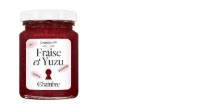
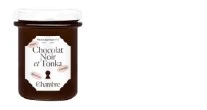
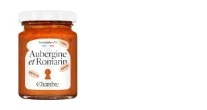
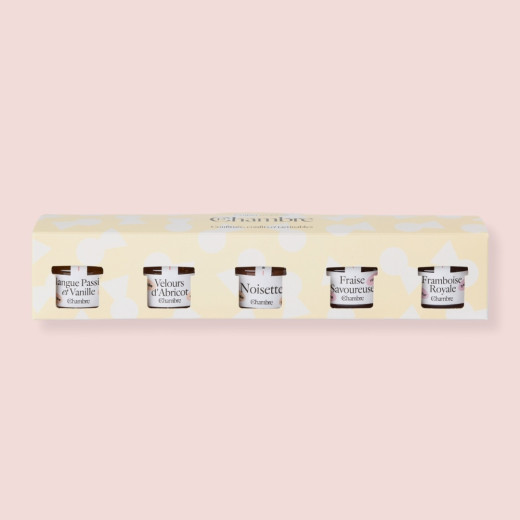
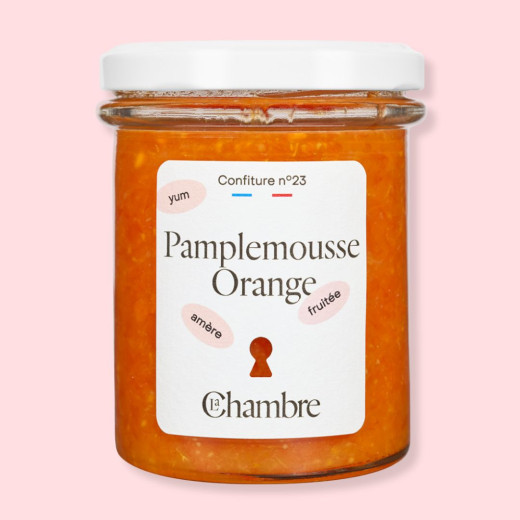
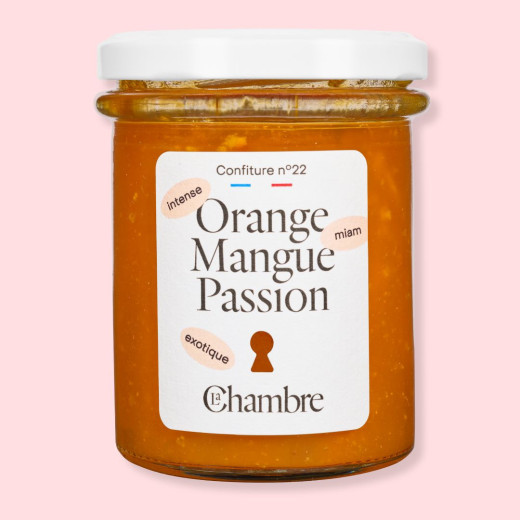
The centre of the cake works with any of our jams.
To pair with this recipe
- New
- New
- New
- New