


.webp)





Some essentials for a successful homemade jam
The must-haves for successful homemade jam: the key steps to making delicious jam that isn't too sweet.
Ingredients
Fun and fairly simple, making your own homemade jam lets you enjoy your favourite fruits all year round. Here are a few essentials for successful homemade jam. Happy cooking!
Utensils for making jam
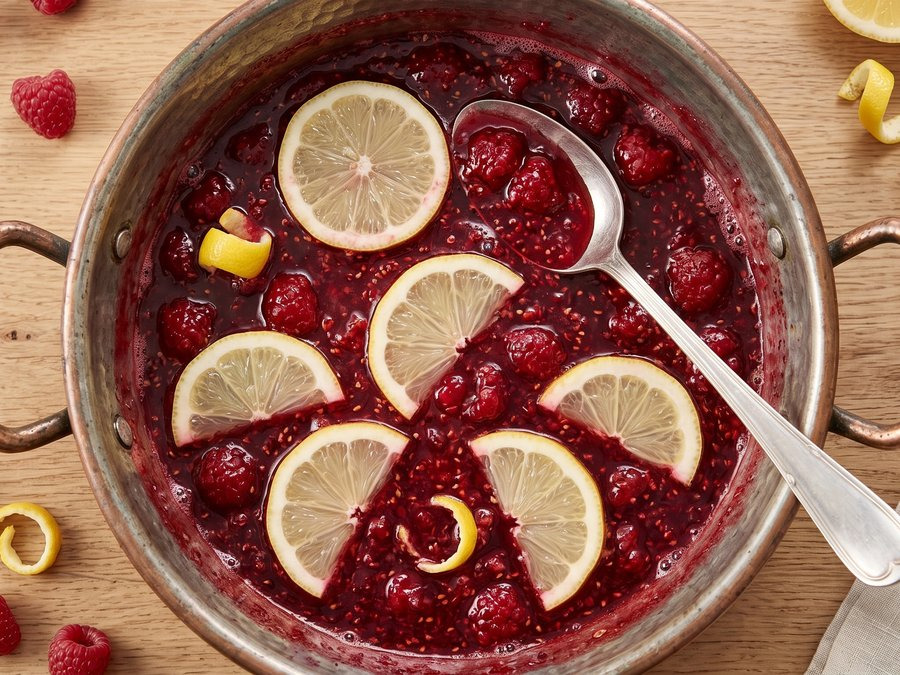
- A preserving pan: traditionally, jam is made in a dedicated copper preserving pan. But no need to worry! You can also use a stainless steel casserole or stockpot. Choose a large pot with a thick base so the heat spreads evenly during cooking;
- A sharp fruit and vegetable knife;
- A wooden spoon, its size depending on the pot or casserole you use;
- A skimmer, which lets you gently remove the foam that forms while the fruit cooks;
- A ladle and a funnel, for filling your jam jars;
- Scales, as you'll need to weigh the fruit and sugar used;
For perfectionists, you might also want a hand blender, a muslin cloth, a zester, and so on.
Choosing your fruit
Fruit is the base of jam, so the better the quality, the better the jam! Choose fruit that's in season and ripe, as it will have more flavour and more natural sugar. Fruit that's too ripe risks spoiling your preparation.
Wash the fruit thoroughly but quickly, so as not to lose any of its flavour.
The cold plate test
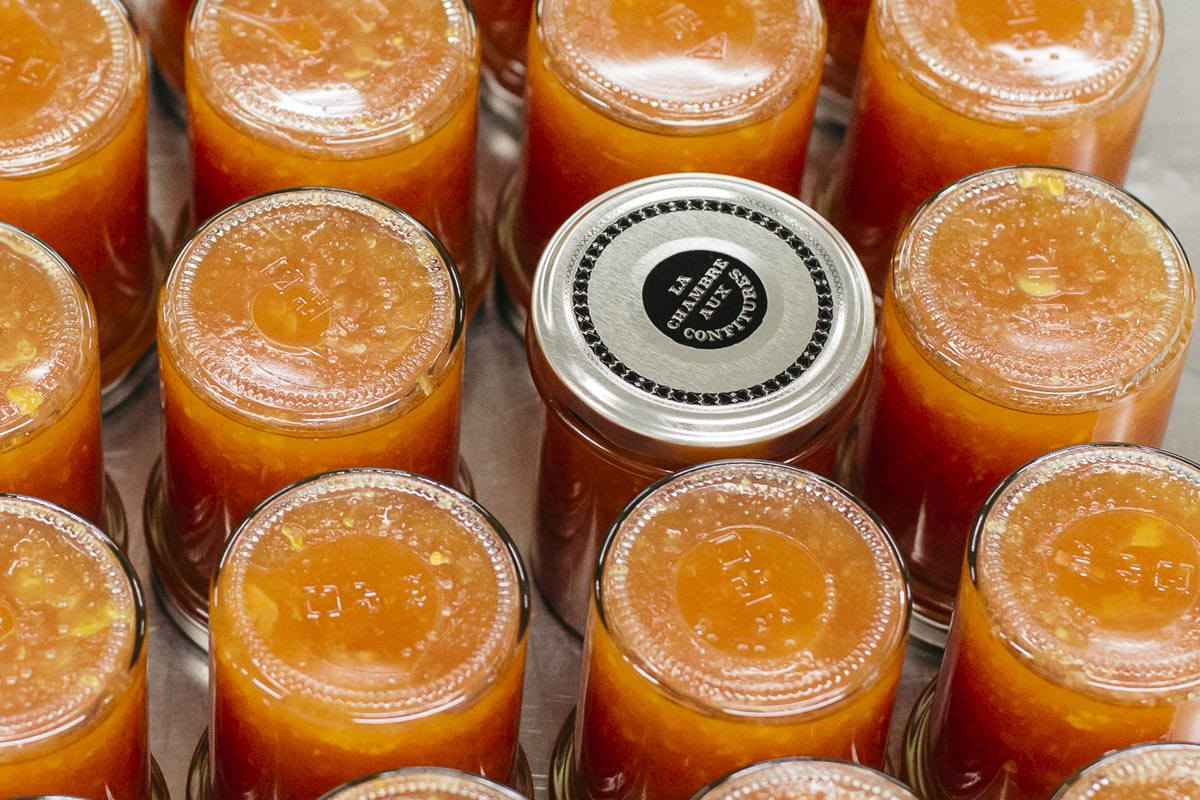
To check whether your jam has set, do the cold plate test. Place a drop of jam taken from the pan onto a plate that has been chilled in the fridge for 5 minutes beforehand: if the drop sets immediately, the jam is ready; if it runs, continue cooking.
Lemon juice
Lemon juice preserves the colour of the fruit by preventing it from oxidising once cut. It brings out the fruit's flavour. It also speeds up setting by acting on the pectin. A jam-making essential!
To pair with this recipe
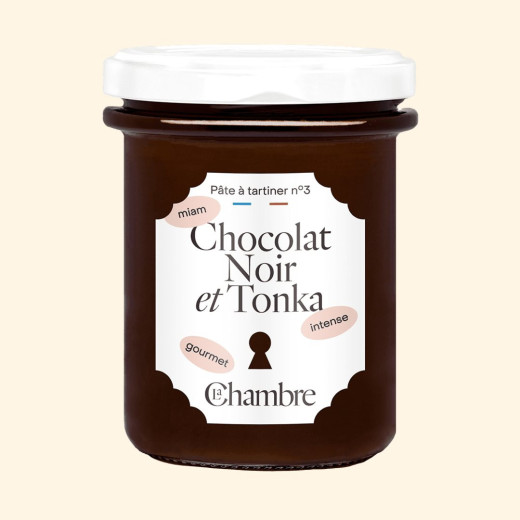
- New
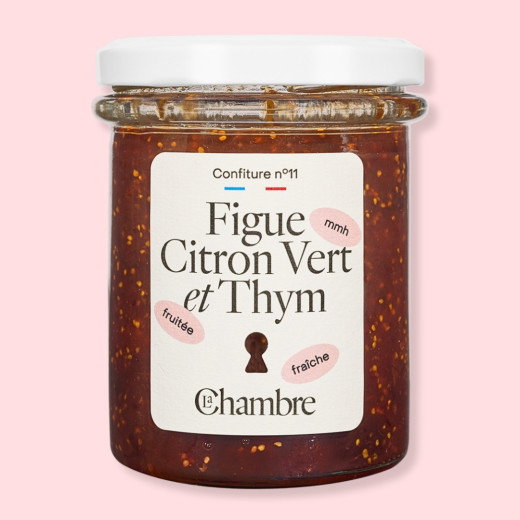
- New