


.webp)





And what about lemons?
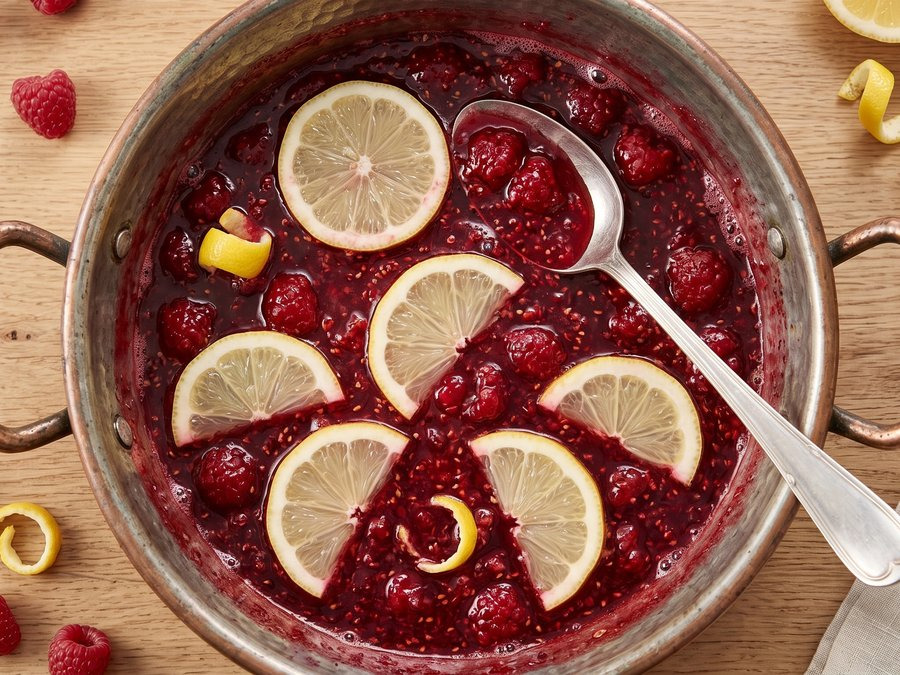
La Chambre explains why lemon juice is important when making jam: it helps preserve the fruit’s natural colour and flavour while also helping the jam set more quickly.
Ingredients
Lemon is a valuable ally when making homemade jam. Its role goes far beyond adding a tangy note. It also contributes to the texture of the jam, balances the sweetness of the sugar and helps bring out the natural flavour of the fruit.
But why add lemon to jam? And should it be added to every recipe? It all depends on the fruit you are using, its natural acidity and its pectin content.
Instructions
Why add lemon to jam?
Lemon juice adds acidity to the mixture. This acidity supports the action of pectin, a naturally occurring substance found in fruit that helps jam to set.
Adding lemon can therefore help achieve a smooth texture and a good set, particularly when using fruits that are naturally low in pectin.
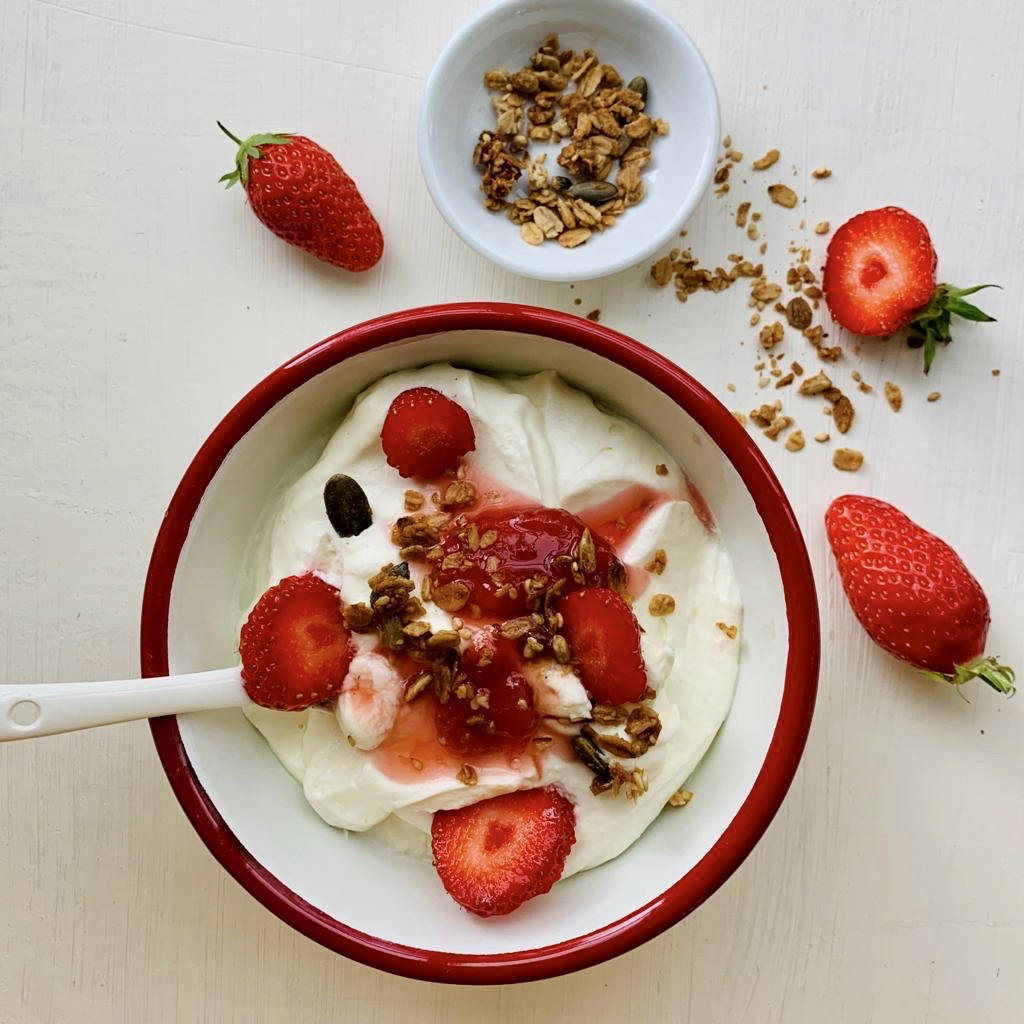
This is especially useful with fruits such as strawberries, apricots, cherries and pears. These fruits may benefit from a little additional acidity to achieve the desired consistency.
Does lemon really help jam to set?
Yes. Thanks to its acidity, lemon creates favourable conditions for pectin to work. It can therefore help the jam set and achieve a more balanced texture.
Lemon also plays an important role in flavour. Its acidity balances the sweetness of the sugar and brings freshness to the recipe.
When used in the right amount, lemon should not overpower the fruit. On the contrary, it can bring out its natural aromas and give the jam greater depth.
This search for balance is at the heart of La Chambre's recipes. Each ingredient is used with precision to preserve the character of the fruit and reveal the richness of its natural flavours.
Do you always need to add lemon to jam?
No, lemon is not essential in every jam recipe.
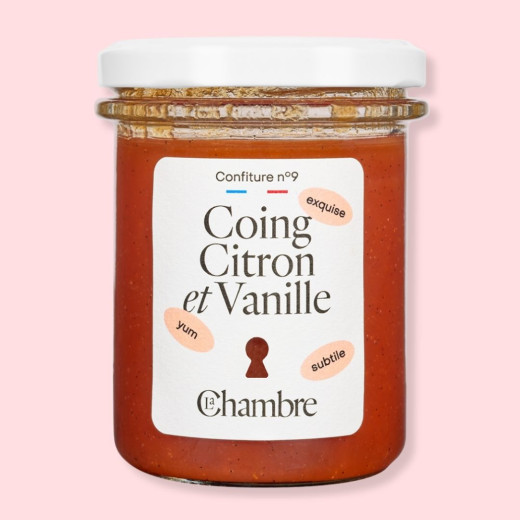
Some fruits naturally contain higher levels of acidity and pectin. This is particularly true of quinces, redcurrants and many citrus fruits. Depending on the recipe and the desired result, the amount of lemon juice can therefore be reduced or may not be necessary.
On the other hand, sweeter fruits or fruits naturally lower in pectin, such as strawberries, apricots, pears and cherries, can benefit from a small amount of lemon juice.
The secret to a good jam lies above all in finding the right balance between fruit, sugar, pectin and acidity.
How much lemon juice should you add to jam?
There is no single amount that works for every recipe. The quantity depends on the fruit, its ripeness, its natural acidity and the texture you want to achieve.
As a general guide, one to two tablespoons of lemon juice per kilogram of fruit can be a good starting point for many homemade jam recipes.
The aim is not to give the jam a strong lemon flavour. It is simply to add enough acidity to balance the recipe and support the setting process.
Can lemon replace jam sugar?
No, they have different roles.
Lemon mainly provides acidity and supports the action of pectin. Jam sugar may contain added pectin designed to help the mixture set.
The two can therefore complement each other, particularly when working with fruits that are naturally low in pectin.
When citrus becomes part of the recipe
At La Chambre, citrus fruits are not only used to balance a recipe. They can also play an important role in its aromatic identity. Lemon, lime and yuzu each bring their own freshness and personality.
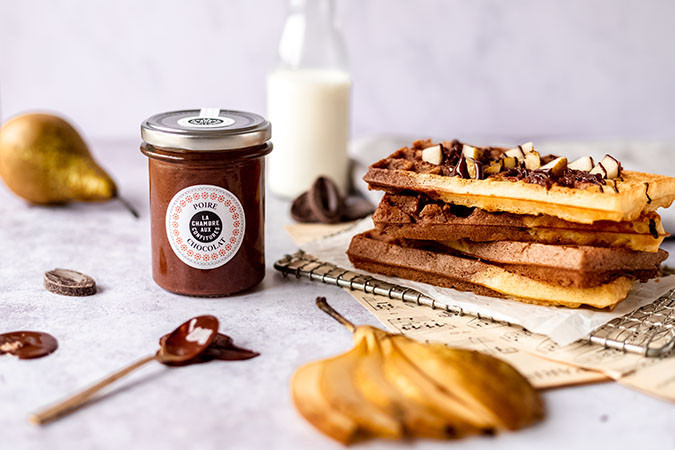
Our Pear & Yuzu Jam is a perfect example of this balance. The softness of pear meets the bright acidity and fragrant notes of yuzu to create a fresh and delicate combination.
In our Pineapple, Coconut & Lime Jam, lime brings freshness to the richness of pineapple and coconut.
Lemon can also become one of the main ingredients in a recipe. This is the case with our Lemon & Ginger Jam, where the brightness of lemon meets the aromatic and slightly spicy character of ginger.
If you enjoy fresh and tangy flavours, discover our selection of citrus jams.
Lemon and jam: what to remember
Adding lemon to jam can help to:
- support the action of pectin and contribute to a good set
- balance the sweetness of the sugar
- bring freshness to the recipe
- enhance the natural aromas of the fruit
- help when working with fruits that are naturally low in pectin
As is often the case in jam making, it is all about balance. Lemon should complement the fruit without overpowering it. This balance between fruit, sugar, texture and acidity helps create a harmonious jam full of flavour.
Frequently asked questions about lemon in jam
Why add lemon juice to jam?
Lemon juice adds acidity and supports the action of pectin. It can therefore help the jam set properly. It also balances the sweetness of the sugar and helps bring out the natural flavour of the fruit.
Which fruits benefit from lemon when making jam?
Lemon is particularly useful with fruits that are naturally lower in pectin, such as strawberries, apricots, pears and cherries. The amount required depends on the recipe and the ripeness of the fruit.
Can you add too much lemon to jam?
Yes. Too much lemon juice can make the jam overly acidic and mask the flavour of the fruit. The aim is to find the right balance between fruit, sugar and acidity.
Does lemon replace pectin in jam?
No. Lemon does not directly replace pectin. Its acidity mainly helps the pectin naturally present in the fruit perform its role in the setting process.
Would you like to discover how we work with these flavour balances in our creations?
Discover all La Chambre jams and explore our combinations of fruits, spices and citrus flavours.
Lemon does more than help the set: it lifts sweet fruit and balances the sugariest ones. That is what guides our strawberry jams, raspberry jams, cherry jams, apricot jams and mirabelle plum jams.
To pair with this recipe

- New


- New